

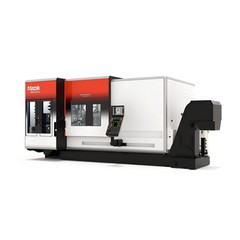
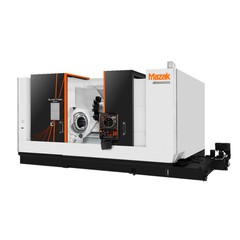
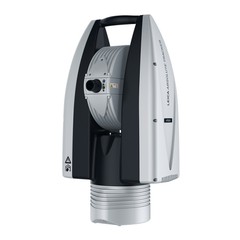
As high-precision manufacturing equipment, the stability and extended lifespan of machining machines largely depend on scientific and orderly maintenance cycle management. Maintenance cycles are not fixed schedules but should be determined comprehensively based on equipment usage intensity, environmental conditions, processing materials, and manufacturer technical specifications, forming a layered system combining daily, periodic, and specialized maintenance to ensure critical components are always in good working condition.
Daily maintenance is typically performed after each work shift or daily operation and is considered basic maintenance. It includes removing chips and oil, checking lubrication levels and oil passage patency, confirming coolant level and concentration, checking air supply pressure and the integrity of protective covers, and observing for abnormal noises or vibrations during operation. This type of maintenance aims to promptly detect obvious abnormalities and prevent minor problems from accumulating into malfunctions. It is generally completed and recorded by operators before shift handover.
Periodic maintenance is divided into weekly, monthly, or quarterly periods, focusing on the systematic inspection and maintenance of precision-related and vulnerable parts. Weekly maintenance primarily involves cleaning and relubricating guideways and lead screws, checking drive belt tension and coupling alignment; monthly maintenance includes simple checks of spindle radial and axial runout, replacement of hydraulic and pneumatic system filters, and dust removal from electrical cabinet filters; quarterly maintenance extends to ball screw backlash measurement, bearing temperature rise characteristic assessment, and cooling system piping sealing inspection. Regular maintenance is mostly performed by maintenance technicians and requires the creation of test data and replacement records for trend analysis.
Specialized maintenance cycles are flexibly set based on actual equipment load and environmental conditions, such as spindle bearing grease replacement, tool changer accuracy calibration, grating ruler cleaning, and signal detection, typically performed after a certain number of hours of operation or batch processing. For high-precision or continuously heavy-load operating equipment, the frequency of specialized maintenance should be appropriately increased to prevent thermal fatigue and accelerated mechanical wear.
The implementation of maintenance cycles must be accompanied by clear division of responsibilities and institutional guarantees. All operations should be performed according to standard operating procedures, and any abnormalities should be reported immediately with corrective measures implemented. By establishing equipment maintenance records, historical data can be traced and predictive maintenance can be implemented, improving management efficiency and reducing the risk of unplanned downtime.
In summary, the maintenance cycle for machining centers should be based on routine maintenance, supported by periodic inspections, and supplemented by specialized maintenance. Dynamic optimization based on the actual condition of the equipment is essential to significantly extend the service life of the equipment while ensuring machining accuracy and production efficiency.