

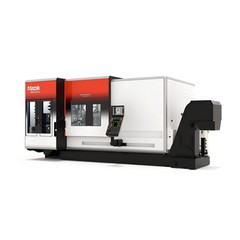
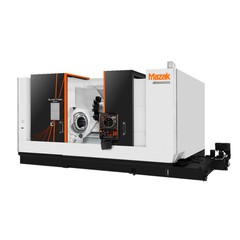
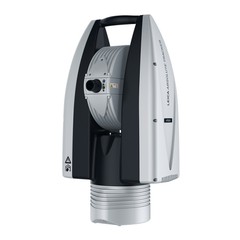
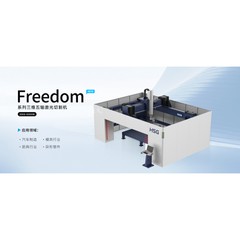
As key equipment for achieving high-precision and high-efficiency material removal and forming, the stable operation and performance of machining machines largely depend on the suitability of their environment.The applicable environment refers not only to the temperature, humidity, and cleanliness of the physical space, but also encompasses comprehensive factors such as power supply, foundation conditions, vibration isolation, safety protection, and the human-machine collaborative atmosphere. Scientifically constructing and maintaining a suitable applicable environment is a prerequisite for ensuring that the machining machine maintains its design accuracy and production efficiency over the long term.
The primary environmental factor is temperature and thermal stability. Machining machines generate heat during high-speed cutting and long-term operation. If the ambient temperature fluctuates drastically or heat dissipation is poor, uneven thermal expansion of the spindle, guideways, and transmission components can easily occur, leading to dimensional drift in the machining process. Therefore, the applicable environment must have constant temperature or temperature control measures. It is generally recommended to maintain the ambient temperature within the range of 20℃±2℃, and to suppress the impact of thermal deformation on accuracy through the combined effects of factory ventilation, local air conditioning, or the machine tool's cooling system.
Humidity and cleanliness are equally important. Excessive humidity accelerates the corrosion of metal structural components and the aging of electrical components, while excessively low humidity can easily cause static electricity damage to the control system. The ideal relative humidity should be controlled between 40% and 60%. If suspended particles, cutting fluid mist, and dust in the workshop air penetrate the guide rails, lead screws, and spindle bearings, they will exacerbate wear and affect the smoothness of movement. Therefore, air filtration and oil mist collection devices should be installed in the machining area, and regular environmental cleaning and equipment protection inspections should be conducted.
Power supply quality is fundamental to ensuring the stable operation of the machining center. Voltage fluctuations, frequency instability, or harmonic interference can lead to abnormal CNC system operations, servo response lag, and even hardware damage. Suitable environments require voltage stabilization and filtering devices to ensure three-phase power balance, and isolation measures should be taken for high-power starting equipment to reduce the impact on the machine tool's power supply circuit.
Foundation and vibration isolation conditions directly affect the dynamic accuracy of the machining center. The equipment should be installed on a solid, flat concrete foundation, avoiding proximity to heavy stamping equipment or main traffic arteries to reduce the transmission of external vibrations. For high-precision machining applications, vibration isolation pads or independent foundations can be used to block low-frequency vibrations from interfering with the cutting process, maintaining consistency in contour and surface quality.
Safety and the operating environment also fall under the scope of the applicable environment. Sufficient and uniform lighting must be ensured to facilitate operators' observation of the tool and workpiece status; reasonable planning of aisle width and emergency evacuation routes is necessary, along with fire prevention, leak prevention, and cutting fluid recovery facilities to protect personnel health and comply with environmental and safety production regulations.
In summary, constructing the applicable environment for machining centers is a complex system engineering project encompassing multiple dimensions, including heat, humidity, dust, electricity, vibration, and safety. Only under conditions of controlled temperature and humidity, high cleanliness, stable power supply, good vibration isolation, and comprehensive safety regulations can machining centers continuously perform their designed functions, providing reliable precision machining guarantees for the manufacturing industry.