

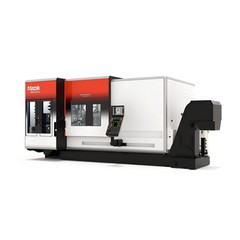
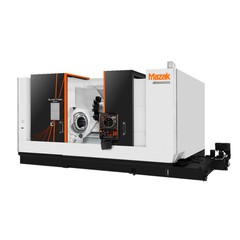
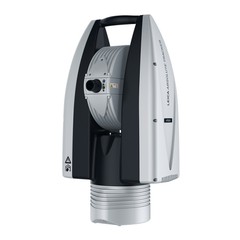
In the fields of precision manufacturing and engineering construction, measuring machines (MCMs), as core equipment for acquiring spatial data and ensuring product and engineering quality, rely on a scientific and standardized maintenance system for long-term stable operation.Unlike ordinary tools, MCMs integrate optics, mechanics, and electronics, and have extremely high requirements for environmental sensitivity and component precision. Any minor maintenance deficiency can lead to the accumulation of measurement errors or even equipment failure. Therefore, establishing a systematic maintenance mechanism is not only a necessary means to maintain equipment performance but also an important measure to reduce operating costs and ensure production continuity.
The primary principle of maintenance is "environment first, prevention foremost." MCMs have strict requirements for the temperature, humidity, cleanliness, and vibration conditions of the working environment. Daily monitoring of ambient temperature fluctuations (generally recommended to be controlled within ±1℃) and relative humidity (ideally maintained at 40%-60%) is necessary, and air purification devices should be installed to reduce dust and oil mist corrosion. High-power electrical appliances, direct airflow from air conditioning vents, or frequently started and stopped mechanical devices should be avoided around the equipment to prevent electromagnetic interference or vibration from affecting the stability of the optical path and the accuracy of mechanical transmission. After each day's work, promptly clean any remaining debris or liquid from the guide rails, probes, and worktable. Use specialized dust removal tools (such as anti-static brushes or non-woven cloths) to gently wipe the surfaces of optical components. Never touch the lens or mirror directly with your hands to prevent oil stains or scratches from damaging optical performance.
Lubrication and calibration of mechanical components are core aspects of maintenance. Guide rails, lead screws, and other moving parts require regular (weekly or monthly) replenishment with appropriate precision grease. Before adding grease, clean the grease inlet and surrounding impurities. The amount of grease should cover the contact surface without overflowing; excessive grease may attract dust and accelerate wear. Check the tension and meshing of drive belts or gear sets. Adjust or replace them promptly if looseness or abnormal response is found to prevent transmission errors from affecting measurement results. Probes, as the "nerve endings" of data acquisition, require daily checks for bending, wear, or looseness. Calibrate ball gauges should be periodically verified for roundness and positional accuracy using standard parts to ensure that the probe's trigger force and return sensitivity meet technical requirements.
Maintenance of electrical and software systems is equally important. The control cabinet cooling fan needs regular dust removal to ensure smooth ventilation and prevent high temperatures from causing circuit board performance drift. Cable connectors should be checked for oxidation or looseness to avoid poor contact and signal interference. Measurement software must be updated synchronously with the manufacturer, and measurement programs and calibration parameters should be backed up regularly to prevent data loss or parameter reset due to system failures. For equipment that has been out of service for a long time, it should be powered on and preheated monthly, and a no-load test program should be run to activate the lubrication of mechanical components and prevent guide rails from rusting or jamming due to prolonged inactivity.
Maintenance of a measuring machine is not simply "cleaning and inspection," but a systematic project integrating environmental control, component maintenance, and data management. Only by integrating daily maintenance into the operating procedures and replacing experience-based judgment with standardized actions can the equipment maintain optimal accuracy throughout its entire life cycle, providing continuous and reliable support for precision measurements.